
Greece Tours: From Athens To The Islands
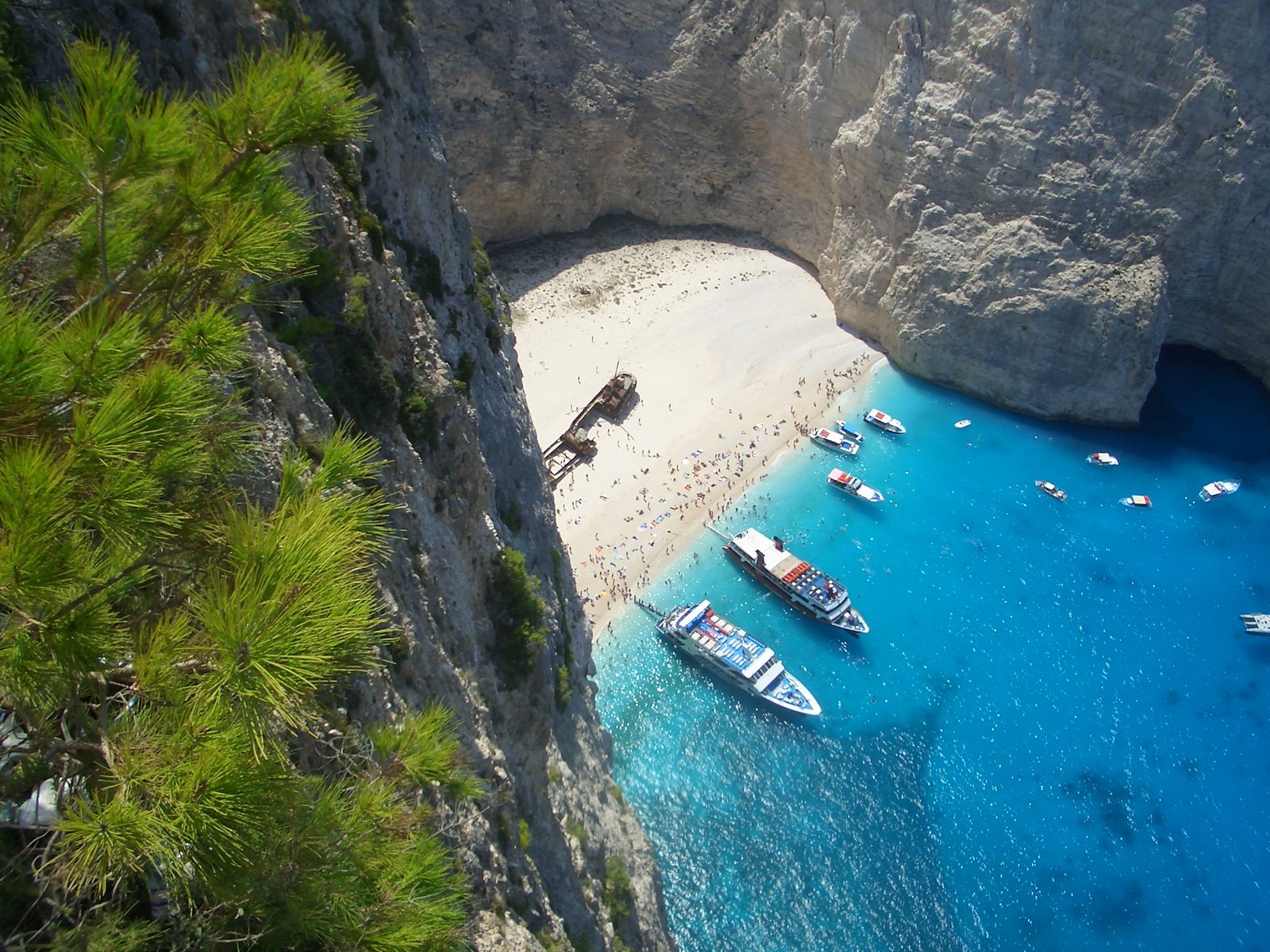
Greece rewards every kind of traveler, from first-timers and couples to families, friends and solo explorers. Greece tours make the trip easier by pairing famous ruins and island views with a guide who knows the stories. A day out can mix ancient temples, a swim in clear water and a taverna meal.
This guide from My Greece Tours walks through the capital, the mainland, the Cyclades and the large islands. Each part shows what to see, which kinds of trips people join and what comes with them. Some trips include lunch, drinks, swim stops or entry tickets, while others leave plenty of free time.
How Can You Get More From Greece Tours In The Capital?
Travelers get more from Greece tours in the capital when they see the Acropolis with a guide. They then slow down with museums, shady gardens and lively old streets full of cafés. Many visitors compare Greece tours and Tours In Greece before they pick trips that fit their pace.
What are the highlights of the capital?
The Acropolis hill rises above Athens like a stone crown. On top stands the Parthenon, a marble temple built for Athena, the goddess who gave the city its name. On the south slope lies the Theatre of Dionysus, often called the birthplace of Greek drama. Its stone seats still curve around the old stage.
Close by, the Acropolis Museum shows statues and carvings found on the hill. Glass floors allow visitors to peek at the ruins of an ancient street. A short stroll leads to the Roman Agora, a market square from Roman times. Its Tower of the Winds is a marble clock tower with carved wind gods.
Hadrian’s Arch, a Roman emperor’s marble gate, marks the old city’s edge. The National Garden, one of the free attractions in Athens, offers shady paths and ponds. At night, the old quarter of Psyrri buzzes with street art and music. At sunset, Cape Sounion’s Temple of Poseidon glows on a cliff above the sea.
What Greece tours can you join in the capital?
Private tours with a driver-guide suit families with young children and anyone who wants a flexible day. One price covers the whole party, not each person, so friends who share a car often save. A private skipper can also sail the coast toward Cape Sounion for couples who want a quiet day.
Boat cruises with swim stops suit friends and couples who want sun and sea after the ruins. Guided walking tours suit first-timers, since a guide links the sights into a clear story. Solo travelers enjoy them too, because chatting with other guests comes easily.
Cooking classes and wine tastings round out Greece tours in the capital. Food lovers learn to fold cheese pies or toss a fresh village salad. Couples book a tasting for a relaxed evening, while children enjoy the hands-on kitchen fun.
What support do Greece tours in the capital give travelers?
Many Greece tours in the capital include lunch or a BBQ meal, which matters on long, hot days. On a cruise, lunch often means grilled meat, salad and warm bread eaten on deck. Nobody has to hunt for a café between sights, so the day flows without stress.
Drinks come with most boat trips, and some cruises serve them without limit. Water, soft drinks and local wine keep guests refreshed and cheerful. A licensed guide brings deep training and explains every carving on the Acropolis. A local guide adds family stories and points out the best bakery on the way back.
Wine tastings on food tours let guests sample grapes grown in the hills around Athens. Swim stops break up the heat and give children a happy reward after a long morning of history.
What tips help travelers in the capital?
Start early at the Acropolis, since the morning air is cooler and the paths are calmer. Wear shoes with good grip, because the marble steps are smooth and slippery. Bring a hat, sunscreen and a refillable water bottle, as shade is scarce on the hill. The museum café makes a cool midday stop.
Book Cape Sounion for late afternoon to catch the sunset behind the temple. Carry a light layer for the breezy ride back to the city. Keep some cash in small notes for snacks and tips. Plan a quiet break in the National Garden between busy sights to rest tired feet.
How Do Visitors Enjoy Greece Tours In The Mainland?
Visitors enjoy Greece tours in the mainland most when each famous site gets the right kind of trip. Some sights suit a day by coach, while others deserve a few nights away. The mainland rewards patience, because its best sights sit among mountains, olive groves and quiet valleys far from the busy coast.
What are the highlights of the mainland?
Delphi clings to the slopes of Mount Parnassus, and ancient Greeks believed it was the center of the whole world. People came to the Temple of Apollo to hear the oracle, a priestess who passed on answers from the gods. Further north, the Meteora monasteries sit on top of tall, smooth rock pillars.
Monks once reached Meteora in nets pulled up by ropes. Mycenae, in the Peloponnese, was King Agamemnon’s city in the tales of Troy. Visitors walk through the Lion Gate, where carved lions guard the way in. The theatre of Epidaurus is famous for its sound, as a stage whisper reaches the top seats.
Nafplio, once the capital of modern Greece, has pretty lanes below the Palamidi fortress. A long stone stairway climbs to its walls. Ancient Olympia is where the Olympic Games began, and the Olympic flame is still lit there. The Corinth Canal, a narrow cut through solid rock, makes a dramatic photo stop.
What Greece tours can you join in the mainland?
Small-group tours suit travelers who want more time to ask questions and a calmer pace. Couples and solo travelers often prefer them. Full-day trips from Athens by coach suit first-timers on a tight schedule, since Delphi or Mycenae fits into a single day.
Guided walking tours work well in Nafplio and at large sites like Delphi, where a guide brings the ruins back to life. Entry tickets suit independent travelers who want to explore at their own pace. They can linger at a favorite statue or rest in the shade whenever they like.
Multi-day Greece tours with hotel nights suit families and anyone who dislikes long days on the road. They often link Delphi and Meteora, or loop around the Peloponnese. Slow travelers love waking up close to the ruins before the crowds arrive.
What support do Greece tours in the mainland give travelers?
A licensed or local guide is the biggest gift on Greece tours in the mainland. Without the stories, ruins can look like scattered, confusing stones. A good guide explains myths, battles and daily life in plain words. Local guides also point out village bakeries and quiet viewpoints.
Entry tickets included in the trip save time at busy gates. Travelers skip the ticket line and walk straight in with their guide. This matters most in summer, when queues build fast under the hot sun. It also means no hunting for the right counter or the right change.
Hotel nights on multi-day trips remove the stress of planning. Rooms wait in towns near Meteora or in Nafplio by the sea. Guests simply drop their bags, enjoy dinner and rest before the next site, which suits families with small children.
What tips help travelers in the mainland?
Pack comfortable walking shoes, since Delphi and Mycenae have steep, uneven paths. Carry water and a snack for long coach rides. The monasteries at Meteora ask for modest clothing, so shoulders and knees should be covered. Many monasteries lend wrap skirts at the door. Opening days differ, so travelers check them first.
Visit Olympia and Epidaurus early or late in the day for softer light and cooler air. Spring and autumn bring wildflowers and gentler heat. Bring a light jacket for mountain stops, because Delphi can feel chilly even when Athens is warm. Motion-sickness tablets help on the winding mountain roads.
How Should You Plan Greece Tours In The Cyclades?
Plan Greece tours in the Cyclades around the sea by mixing village walks with a day on a boat. Leave room for sunsets, swims and slow meals by the harbour. Each island has its own mood, so a little planning goes a long way. Ferries link the main islands, so hopping between them is simple.
What are the highlights of the Cyclades?
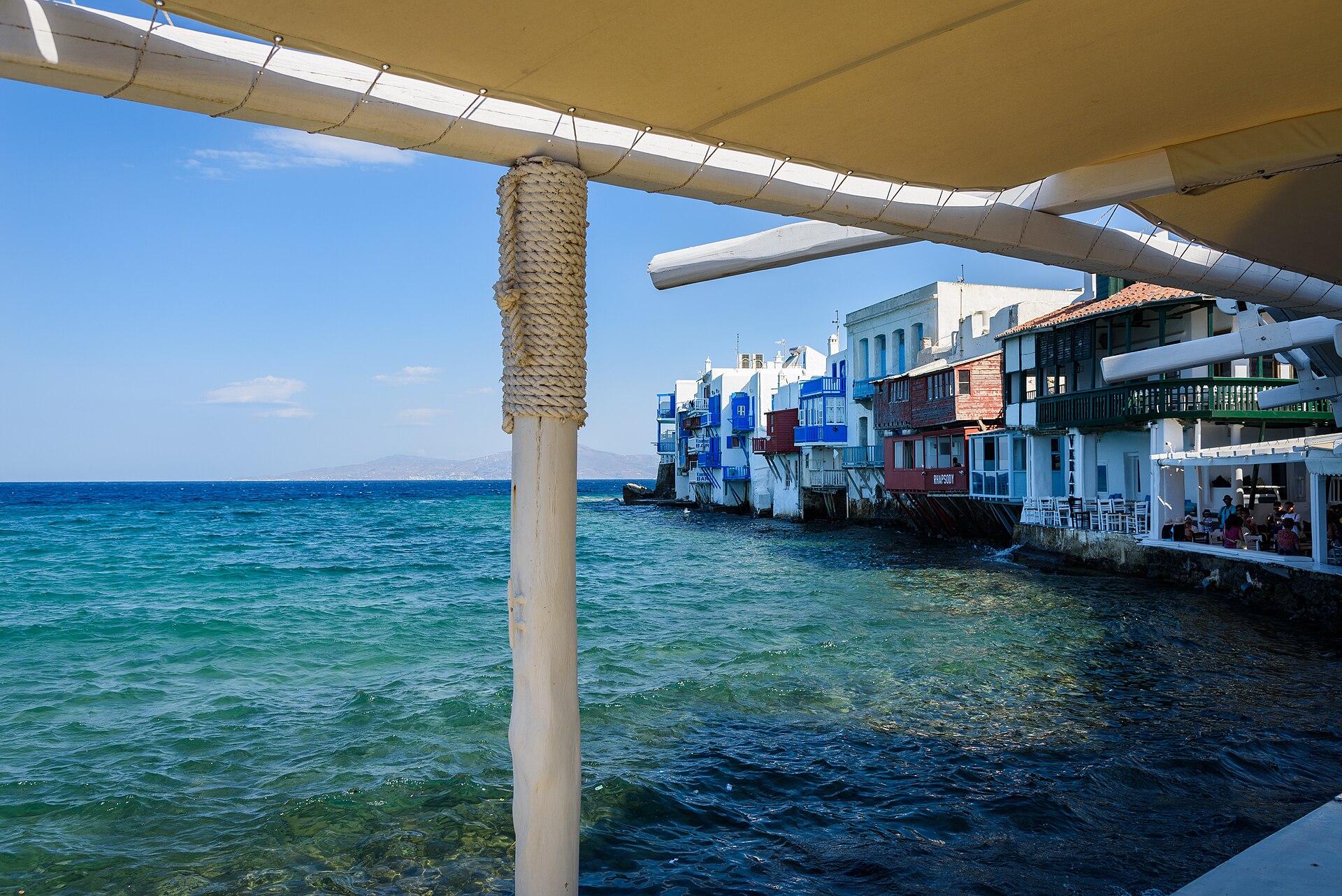
The cliff villages of Santorini perch on the rim of a caldera, a huge sea-filled bowl left by an old volcano. White houses and blue domes spill down the slopes. Oia draws crowds for its sunset, while Fira offers cafés with wide sea views. Paths along the rim link the villages.
On Mykonos, a row of windmills stands on a hill above the waterfront. They once ground grain for the island’s bread, turning in the steady wind. A short boat ride away lies Delos, a sacred island where myths say Apollo was born. Marble lions still guard its holy road, and visitors leave before evening.
Milos hides sea caves and strange white rocks, best seen from a boat. The old town of Naxos climbs to a castle built by Venetian traders. A giant marble doorway called the Portara frames the sunset by the port. On Paros, the harbour of Naoussa glows with fishing boats and seaside tavernas.
What Greece tours can you join in the Cyclades?
Private tours with a driver-guide suit families who want to see Santorini’s villages without bus timetables. A private skipper suits couples and friends who dream of their own boat for the day. One price covers the whole party, which keeps the cost clear.
Boat cruises with swim stops suit nearly everyone, from children to grandparents. Full-day trips from Athens by coach and ferry suit visitors with only a short stay. Snorkel and beginner scuba trips suit curious swimmers who want to see fish and rocks up close. An instructor stays close to every beginner.
Cooking classes and wine tastings suit food lovers on Greece tours in the Cyclades. Santorini’s volcanic soil makes crisp white wines, and island cooks share recipes for fava and tomato fritters. Fava here is a smooth dip made from yellow split peas.
What support do Greece tours in the Cyclades give travelers?
Most Greece tours by boat in the Cyclades include lunch or a BBQ meal on board. Fresh fish, grilled chicken and Greek salad taste better after a swim. Drinks are usually part of the deal, and some cruises serve them without limit.
Snorkel gear comes with many trips, so guests do not need to pack masks or fins. Swim stops in quiet bays let everyone cool off, and crew members help nervous swimmers with floats. A licensed or local guide explains the myths of Delos and the history of each village.
Free time to explore matters on busy islands, since it lets travelers shop, rest or find a hidden chapel. Wine tastings often close the day with views of the setting sun. Such slow moments often become the best memories of the trip.
What tips help travelers in the Cyclades?
The meltemi, a strong summer wind, can make boat trips bumpy. Travelers who get seasick pick larger boats and sit near the middle. Reef-safe sunscreen, a hat and sunglasses are musts on deck. Light, quick-dry clothes also help after a swim. Morning cruises often meet calmer water than afternoon trips.
Book sunset cruises early, because they fill fast in high season. Bring a towel, a dry bag for phones and sandals that grip wet rocks. On Santorini, start walks between villages in the cool morning. Late spring and early autumn bring warm seas and fewer crowds. Cash helps at small beach bars.
Which Greece Tours In The Large Islands Suit Every Traveler?
The best Greece tours in the large islands mix a famous site with time at the beach. That way every traveler, from toddlers to grandparents, finds something to love. Crete, Rhodes, Corfu and Kefalonia each have their own style, food and history. Many visitors spend a whole holiday on a single one of them.
What are the highlights of the large islands?
On Crete, Minoan Knossos was the grand palace of an early island people called the Minoans. Legends say King Minos kept the Minotaur, half man and half bull, in a maze. In Chania, a stone lighthouse stands at the end of the old harbour wall. The pink sand of Elafonisi comes from crushed shells.
On Rhodes, medieval Rhodes town hides behind thick walls built by knights in the age of castles. The Street of the Knights still looks like a film set. Down the coast, the white village of Lindos sits below an ancient hilltop temple. Its narrow lanes lead to small beaches and quiet bays.
Corfu old town mixes Venetian forts, Italian-style lanes and a grand arcade full of cafés. On Kefalonia, the Melissani cave lake glows bright blue when sunlight falls through a hole in its roof. Boatmen row visitors across the glowing water beneath hanging rock formations. Nearby Zakynthos adds its own famous beaches and blue caves.
What Greece tours can you join in the large islands?
Private tours with a driver-guide suit families on Crete, where the main sights lie far apart. A skipper suits couples who want a quiet boat day around Corfu. The price covers the whole booking, so friends can split it. Children can nap comfortably in the car between stops.
Boat cruises with swim stops suit beach lovers on every island. Full-day trips from Athens by coach suit visitors who begin their holiday in the capital. On Crete, similar coach days link resort towns with Knossos or Elafonisi. They suit first-timers who want a simple, relaxing plan.
Guided walking tours suit history fans in Rhodes town and Corfu old town. Entry tickets suit independent travelers at Knossos who like to wander. Cooking classes and wine tastings bring Greece tours in the large islands into village kitchens, a treat for food lovers.
What support do Greece tours in the large islands give travelers?
Greece tours in the large islands often include lunch or a BBQ meal in a village or on a beach. Cretan cooks serve grilled meat, cheese pies and fresh greens. A good meal turns a long drive into a highlight. Picky young eaters usually find bread, chips or grilled chicken.
Drinks come with most boat trips, and some offer them without limit. A licensed or local guide makes Knossos clear, since the ruins can confuse first-time visitors. Entry tickets in the price mean shorter waits at busy gates. A guide also explains the bright wall paintings, called frescoes, and the legends behind them.
Wine tastings show off island grapes and olive oil, often in family-run cellars. Swim stops at clear bays give children and adults a cool break between sights.
What tips help travelers in the large islands?
Large islands need more travel time than many visitors expect. Pick a base in each region instead of driving across a whole island every day. Start early to reach Knossos and Melissani before crowds arrive. Mornings also bring softer light for photos. Ferries between islands need planning, since sailings change with the season.
Pack water shoes for pebbly beaches and a light scarf for church visits. The lagoon at Elafonisi is shallow and calm, which suits small children. Bring plenty of water, because shade is rare on the beaches of Crete. A beach umbrella or pop-up tent makes long beach days far more comfortable.
Conclusion: Greece Tours, Planned Well
Greece tours work best when travelers match each region to the right kind of trip. Athens shines on foot, the mainland rewards a guide, and the islands come alive by boat. Lunch, drinks, tickets and swim stops make each day smooth and enjoyable. Return visitors can then seek out quieter corners.
For more planning help, the guide to Greece group tours explains booking steps and what to compare. Every traveler, from couples to solo explorers, can build Greece tours that feel personal and relaxed. The best plans still leave space for surprises, such as a village feast or a sudden sea view.
Frequently Asked Questions About Greece Tours
How early should you book Greece tours?
Popular Greece tours, such as sunset cruises and Acropolis visits, sell out fast in summer. Travelers do best when they book as soon as their flights are set. In spring and autumn, a few days of notice is often enough, though weekends still fill quickly.
Do Greece tours include lunch?
Many boat cruises and full-day trips include lunch or a BBQ meal. Walking tours and museum visits usually do not, so guests eat afterward at a local taverna. The trip description lists which food and drinks come with it, so it pays to read it before booking.
Can you change Greece tours after booking?
Most Greece tours allow free changes or cancellation up to a set time before the start. After that, changes depend on the rules of each trip. Bad weather usually leads to a new date or a full refund, so travelers rarely lose out.
Do Greece tours include hotel pickup?
Many Greece tours offer hotel pickup in Athens and at popular island resorts. Some ask guests to meet at a central point instead, such as a square or a port. The booking page explains which option applies and gives clear meeting directions with a map pin.
Do Greece tours run in all weather?
Most land trips run in light rain or wind, so a jacket is handy. Boat trips stop when the sea is rough, and the captain makes the final call for safety. Guests then get a new date or their money back, with no extra cost.
Can Greece tours start from a cruise port?
Yes, many trips meet cruise passengers right at the port in Piraeus, Mykonos, Santorini, Corfu or Rhodes town. Guides plan the day around the ship’s schedule and stick to sights near the port, so nobody misses the boat home. Travelers simply share their ship name when booking.
How do you plan rest around Greece tours?
Plan rest around Greece tours by leaving a slow day after each long outing and keeping hot afternoons free for naps. Tired travelers miss details and enjoy less, so proper rest is an important part of a good trip. A rested body also copes far better with summer heat, steep stairs and early starts.
Leave a slow day between big tours
Long Greece tours often start early and finish late, with hours spent on buses, boats or rocky paths. A full day at ancient ruins in the summer sun drains energy fast. A lighter day straight after helps the body recover before the next big outing.
A slow day does not have to be an empty or boring day. Many travelers spend it wandering through traditional Greek villages, where daily life moves at an easy pace. Others sit in a shaded square, sip a cold coffee and watch local life go by.
Families with young children gain the most from this gentle rhythm. Kids usually handle one big day of sightseeing well, but back-to-back long days often end in tears. Mixing Greece tours with relaxing beach days keeps everyone happy, curious and ready for more.
Use the quiet afternoons well
Greek summers are hot, and the strongest heat arrives in the early afternoon. Many locals rest indoors during these hours, and shops in smaller towns often close for a while. Visitors can copy this sensible habit and book their Greece tours for the cooler morning or evening.
An afternoon off also suits food lovers and curious cooks. A morning stroll through busy Greek food markets can end with a long, slow lunch of local dishes. After that, a nap or a swim feels like a well-earned reward, not lost time.
Some Greece tours already build in plenty of rest, such as relaxed tasting trips through popular wine regions in Greece. These outings move gently, with time to sit, taste and enjoy the view. They work well as a soft day between busier visits to ruins and museums.
How do you find the meeting point for Greece tours?
Find the meeting point for Greece tours by reading the booking notes, checking the map pin early and arriving ahead of time. On the day, look for a guide holding a sign with the tour name. A missed meeting point can cost a whole day of plans.
Check the details the night before
Every booking for Greece tours comes with a meeting note in the confirmation message. It names a street, a landmark, a hotel lobby or a port gate. Reading it carefully and saving it offline protects travelers if the phone signal suddenly drops.
A short walk to the meeting spot the evening before removes most of the stress. In Athens, many meeting points sit near metro stations, busy squares or the entrances of ancient sites. Seeing the exact place in daylight makes the morning walk much easier.
Outdoor trips often meet in less obvious places outside the town center. Hikes, kayak outings and other adventure activities in Greece can start at a marina, a quiet beach or a mountain trailhead. These spots rarely have street numbers, so a saved map pin matters even more.
Spot the guide on the day
Arriving early gives time to find the right person without rushing or panic. Guides on Greece tours usually hold a sign, a small flag or a bright umbrella. Some also wear a badge or a colorful shirt, so guests can spot them easily in a crowd.
At popular sites, the area outside the gates gets busy with many Greece tours at once. Travelers should confirm the tour name before joining anyone. A quick check prevents the awkward moment of following the wrong guide up a hill.
Ruins and museums have their own gates, ticket lines and entry rules. A practical guide to ancient ruins explains how these entrances usually work. Saving the guide’s phone number also helps if a ferry, a bus or a taxi runs late.
How do you decide between private and shared Greece tours?
Choose private Greece tours for a flexible pace and personal attention, and choose shared Greece tours for lower cost and easy company. Both types of Greece tours visit the same famous places, so the choice is really about travel style and budget. Each option suits a different kind of traveler and day.
When private Greece tours make sense
A private tour belongs to one traveler or one party alone, such as a couple or a family. The guide sets the pace around them, stops wherever they want and answers every question. This suits honeymooners, parents with small kids and anyone who walks slowly.
Private Greece tours also help keen photographers. They can wait for the best light, return to a favorite viewpoint or skip a stop that holds little interest. Good photography tips for Greece tours work best when nobody is rushing the shot.
The main trade-off is cost, and it adds up on longer trips. Private outings cost more than shared ones, though the difference shrinks when friends or relatives split the bill. For a special celebration or a once-in-a-lifetime day, many travelers feel the extra spending is worth it.
When shared Greece tours work well
Shared Greece tours bring together travelers who do not know each other on one fixed plan. Prices stay lower because the costs are divided among everyone on board. Solo travelers often enjoy the easy conversations and the new friendships that come with these days.
A shared tour fits many kinds of trips and travelers. It is a strong choice in these situations:
- A tight travel budget
- A first visit with no set plans
- Solo travel and a wish to meet people
- A simple day with no planning at all
- A big museum with a fixed route
Shared outings work well inside large museums too, where the collections can feel overwhelming. A clear guide leads visitors through the most important halls in a sensible order. A guide to Greek art and museums helps travelers decide which rooms matter most before they arrive.
Why do guided Greece tours help?
Guided Greece tours help because a trained, state-licensed guide turns quiet ruins into clear stories and explains what each site meant. Only state-licensed guides may lead tours inside Greek archaeological sites and museums. That license shows the guide has studied the history and the sites in depth.
Guides turn old stones into stories
Many ancient sites look like simple piles of stone to a first-time visitor. A guide points out where the temple stood, where people gathered and how the whole place worked. Suddenly the ruins feel alive, and the visit stays in memory far longer.
Good guides also explain the bigger picture in plain words. They connect each site to the Greek history you should know, from early kings to the golden age of Athens. They explain difficult terms too, such as the agora, which was the open market and meeting place.
Buildings tell stories as well. Guided Greece tours make famous Greek architecture easy to understand, from plain columns to grand temple fronts. Guides also show how open-air theaters were carefully shaped so that a single voice on stage reached the very back rows.
Guides bring myths and places together
Greek myths are the old stories about gods, heroes and monsters. Many of them are tied to real places that people can still visit today. Guided Greece tours to the top Greek mythology sites connect each tale to the ground under a visitor’s feet.
Children often love this part of the day the most. A guide can tell the story of a famous hero right where it is said to have happened. Learning about Greek legends and historical sites this way feels like an adventure, not a school lesson.
Guides also save time, effort and stress. They know the best route through a site, where shade waits and when to sit down for a break. For first-time visitors, guided Greece tours remove the guesswork and leave more energy for simply enjoying Greece.
Which Greece tours are best in the early morning?
The best early morning Greece tours are ancient site walks, sunrise monastery visits and nature trails that finish before the heat. Cool air, soft light and thinner crowds make the first hours of the day the most comfortable. Early starts on Greece tours also leave the afternoon free for rest.
Beat the heat at ancient sites
Famous ruins draw the biggest crowds from late morning onward. Early Greece tours reach the gates as they open, when the stones are still cool and the paths are quiet. Visitors can study the temples in peace and take photos without strangers in every frame.
Many morning outings in Greek cities happen on foot. Greece walking tours through old neighborhoods feel easy before the sun climbs high. Bakeries open early, so a warm cheese pie or a sesame bread ring called koulouri makes a perfect snack along the way.
Early starts also suit longer Greece tours from the capital. Many day trip ideas from Athens involve a long drive, so leaving at dawn means more time at the site. Travelers arrive fresh and return before the evening traffic builds.
Sunrise monasteries and nature walks
Monasteries on cliffs and hilltops look magical in the first light. Sunrise Greece tours at places like Meteora show the rock towers glowing pink and gold above the morning mist. A good guide explains why monks built these homes so high on the rocks.
Monasteries are working religious homes, so visitors follow a few simple rules. Knowing how to visit Greek monasteries helps travelers dress well, with covered shoulders and knees. Quiet voices and modest clothes show respect to the monks and nuns who live there.
Wildlife is at its busiest in the cool, quiet hours just after dawn. Morning walks through the best nature reserves in Greece reveal birds, wild herbs and calm lakes. Families with curious kids enjoy spotting animals before the midday heat sends them into the shade.
Which Greece tours are best at midday?
The best midday Greece tours keep travelers cool, such as boat trips with swim stops, museum visits and cooking classes. Midday sun in Greece is strong, so open ruins and long climbs are better left for other hours. Shade, water and sea breezes shape every good midday plan.
Boat days and cool water
A day on the water is one of the most popular ways to spend the hottest hours. Boats stop at clear bays where everyone can swim, snorkel or float in the sea. Many Greece tours by boat also serve a simple lunch on deck under a shade cover.
Island trips from the capital are among the easiest Greece tours for this time of day. A practical guide to island tours from Athens shows which islands are close enough for a day out. The sea breeze keeps the heat away while the coastline slides past.
Longer sea crossings also suit the middle of the day, when sightseeing on land feels tiring. Learning how to travel between Greek islands helps travelers time their ferries well. A seat inside or on a shaded deck turns travel time into a calm break from sightseeing.
Indoor and shaded choices
Museums are a smart and comfortable choice when the afternoon sun is at its strongest. Indoor Greece tours of big collections offer cool halls, clean restrooms and plenty of benches. Guides explain the statues, pottery and gold jewelry that once decorated the temples, homes and graves outside.
Several other Greece tours suit the midday hours just as well. These options keep everyone busy, fed and happy without heat stress:
- Cooking classes in shaded kitchens
- Wine tastings in cool cellars
- Cave visits with steady cool air
- Olive oil tastings in old mills
- Pottery and craft workshops
Scenic rail journeys work well in the heat too, since the carriages offer shade and seats. The best scenic train rides in Greece pass gorges, rivers and mountain villages while passengers sit in comfort. Kids enjoy the changing views, and adults enjoy a welcome break from driving.
Which Greece tours are best at sunset?
The best sunset Greece tours are sailing trips, visits to clifftop temples and drives to high viewpoints where the sky turns gold. Evening light softens the colors of whitewashed houses, fishing harbors and blue church domes. The air cools down, and the whole day seems to slow.
Sunsets at sea and on cliffs
Sailing at sunset ranks among the most loved Greece tours on the islands. Boats leave in the late afternoon, stop for a swim and anchor as the sun drops into the sea. Couples treat it as a romantic evening, while friends enjoy the music and fresh snacks.
On the mainland, sunset trips to Cape Sounion are a classic outing from Athens. The marble Temple of Poseidon, the ancient god of the sea, stands on a cliff above the water. Watching the sun set behind its columns is a memory many visitors keep for life.
Popular sunset spots on Santorini fill up fast, and the narrow lanes get very crowded. Sunset Greece tours often head to quieter viewpoints or watch from a boat instead. This choice gives a calmer, more comfortable view of the same glowing sky and sea.
Quiet viewpoints and golden drives
Self-drive Greece tours in the late afternoon turn into a show of light and shadow. Some of the most scenic drives in mainland Greece climb mountain roads that face west. Drivers should stop only at safe pull-outs and head back before full dark on winding roads.
Travelers who dislike crowds can look further afield for their evening views. The hidden gems of Greece include small chapels, quiet beaches and hilltop villages with sunset views few tourists see. Local guides know these spots and the best place to stand.
Families find sunset tours especially easy to enjoy together. Children are less tired than at midday, and the cooler air makes walking pleasant again. Many sunset Greece tours end near a seaside taverna, so dinner follows the show without extra travel.
Which Greece tours are best after dark?
The best Greece tours after dark are evening food walks, views of lit monuments and stargazing trips far from city lights. Greek towns come alive at night, when locals eat late and squares fill with families. The warm evenings make outdoor Greece tours easy and pleasant.
Food walks and lit-up monuments
Evening food walks are among the tastiest Greece tours in any city. A local guide leads guests through busy streets to small tavernas, bakeries and sweet shops. Tasting grilled souvlaki or loukoumades, which are honey-soaked dough balls, feels like joining the locals for dinner.
In Athens, the Acropolis, the rocky hill at the heart of the old city, glows once darkness falls. Night Greece tours often stop at hills and rooftops with clear views of the floodlit Parthenon. This great marble temple honored Athena, the goddess who gave the city its name.
Summer also brings open-air cinemas, a much-loved Greek tradition. Films play under the stars on outdoor screens, with the scent of jasmine drifting through the air. Some evening walks end at one of these garden cinemas for a relaxed close to the day.
Stars, silence and responsible nights
Away from bright towns, the night sky over Greece fills with stars. Stargazing Greece tours drive to dark hills or quiet beaches where guides point out planets and constellations, or star patterns. Many of these patterns carry Greek names from old myths, which kids find exciting.
Night trips need extra care for nature, local residents and sleeping neighbors. Simple habits from sustainable travel in Greece help, such as keeping voices low in villages and using dim flashlights near wildlife. Leaving no rubbish on beaches protects nesting sea turtles and seabirds.
Some travelers choose to stay overnight close to the darkest and clearest skies. Eco-friendly accommodations in Greece often sit in quiet countryside, far from the city glow. Waking up there also makes it easy to join early morning Greece tours the next day.
Which places do Greece tours visit?
Greece tours visit Cycladic islands like Santorini, mainland sites like Delphi and Meteora, and large islands such as Crete and Rhodes. Each area offers a different mix of history, nature and beaches. Many travelers combine at least two of these areas in one trip.
Islands
The Cyclades are a ring of dry, sunny islands in the Aegean Sea, famous for white houses and blue doors. Island Greece tours here mix boat trips, beach time and walks through hilltop villages. Regular ferries link the islands, so travelers can easily see more than one in a single trip.
- Santorini: white cliff villages, blue domes and a flooded volcanic crater
- Naxos: a giant marble doorway, mountain villages and long sandy beaches
- Paros: a pretty fishing harbor, marble lanes and breezy surf beaches
- Milos: moonlike white rocks, sea caves and colorful fishing boat houses
- Ios: golden beaches, a hilltop white village and lively summer nights
Mainland
The Greek mainland holds many of the most important ancient sites in Europe. Mainland Greece tours often travel by coach from Athens to temples, theaters and mountain monasteries. Guides bring each place to life with stories of kings, gods and early thinkers.
- Athens: the Acropolis, the Parthenon and lively old streets below them
- Delphi: the ancient oracle of Apollo on a steep mountain slope
- Meteora: old monasteries built on top of giant rock pillars
- Mycenae: the Lion Gate and the legendary palace of King Agamemnon
- Epidaurus: an ancient theater where a whisper carries to the back
Large islands
The large islands feel like small countries of their own. Greece tours on these islands combine ancient palaces, medieval towns, mountain roads and wide beaches. Many visitors spend several nights on one island instead of moving every day, which makes the trip feel calmer.
- Crete: the ancient palace of Knossos, deep gorges and long beaches
- Rhodes: a walled medieval old town built by crusading knights
- Corfu: an elegant old town, green hills and calm, clear bays
- Kefalonia: a lake inside a cave, high cliffs and turquoise bays
How do you plan Greece tours over six days?
Plan Greece tours over six days with two days in Athens, two days on the mainland and two days on the islands. This order follows the natural road and ferry links and keeps travel time low. It also saves the most relaxing days for the very end of the trip.
Start in Athens
Athens is the natural starting point, since it is the main gateway for flights into Greece. The first day of Greece tours in the capital usually covers the Acropolis and its modern museum. A guide explains how the Parthenon, a temple to the goddess Athena, rose on the rocky hill.
The second day can explore the city at a slower, gentler pace. Walks through Plaka, the old quarter below the Acropolis, reveal small churches, craft shops and tavernas. The Ancient Agora, once the open market and meeting place, shows where everyday life happened.
Evenings in Athens suit food walks and rooftop dinners with a view of the floodlit hill. Travelers who want more freedom can mix guided days with free time on their own. Tips on self-guided itinerary planning help shape those open hours well.
Families with kids can add a visit to the marble stadium where the first modern Olympic Games were held. Short metro rides make the main sights easy to reach without a car. Staying in a central hotel also cuts down on walking at the end of a long day.
Add the mainland sites
The middle days head out of the capital to famous mainland sites. One popular day visits Delphi, where a priestess called the oracle once passed on advice from the god Apollo. The mountain views there are as striking as the ruins themselves, especially in the morning light.
Another day can cover the Peloponnese, the large peninsula in the south. Mainland Greece tours here often combine Mycenae, a fortress city of legendary kings, with the theater at Epidaurus. Guides like to test the theater’s famous sound by dropping a coin on the stage.
Travelers with more energy can head north to Meteora instead of the Peloponnese. The monasteries there sit on top of tall rock pillars, a view unlike anywhere else in the country. The drive is long, so many Greece tours to Meteora include an overnight stay.
These mainland days start early and end late, so a good night’s sleep matters. Bringing snacks, water and a light jacket for the cooler mountain air helps on long drives. A simple dinner near the hotel is the best way to end these full days.
Finish on the islands
The last two days belong to the islands. A fast ferry from Piraeus, the main port near Athens, reaches the Cyclades in a few hours. Santorini, Naxos and Paros all work well for a short island stay, each with its own character.
Island Greece tours often include a boat trip around the coast, a village walk and a sunset viewpoint. Visitors who prefer a calm pace can pick one island and stay put. Those who want more variety can try Greek island hopping between nearby islands.
Island days run at a softer pace than city days. Mornings suit a swim or a short walk, and afternoons suit a nap in the shade. Couples, friends and families all enjoy this slower ending after the busy days on the mainland.
Travelers who can add one more day gain extra beach time and fewer early starts. A seven-day Greece itinerary covering Athens, Santorini and Mykonos shows how that day fits. Either way, the final night is best spent near the port or airport for an easy departure.
More questions about Greece tours
These quick answers cover the practical questions travelers ask most before booking Greece tours, from shade and water to clothing. Each answer keeps things short, simple and useful.
Can you leave Greece tours early?
Yes, travelers can leave most Greece tours early, but they should tell the guide first and arrange their own way back. Unused parts of a tour are not usually refunded, so reading the booking terms helps. On boat trips, leaving early is impossible until the boat returns to port.
Do boats on Greece tours have shade?
Most boats on Greece tours have a covered area or a canvas roof, but smaller boats offer only limited shade. Sunscreen, a hat and sunglasses stay essential on the water, even under a roof. The sea reflects sunlight, so skin burns faster there than on land.
Do Greece tours welcome toddlers?
Many Greece tours welcome toddlers, especially boat trips, food walks and short city tours with a gentle pace. Long hikes and hot ruin visits in the middle of the day suit older children better. A baby carrier works better than a stroller on the rocky paths of ancient sites.
Do Greece tours give time for shopping?
Most Greece tours include some free time, and many stop in towns or villages where travelers can browse local shops. Popular buys include olive oil, honey, mountain herbs, ceramics and handmade leather sandals. Keen shoppers can also save a free afternoon for markets and small shops after the tour.
What should you wear on Greece tours?
Wear light, breathable clothes, comfortable shoes with good grip and a sun hat on Greece tours, plus a scarf for church visits. Marble paths at ancient sites can feel smooth and slippery underfoot, even when dry. Covered shoulders and knees are needed to enter monasteries and many churches.
Do Greece tours provide water?
Many Greece tours hand out bottled water, especially boat trips and day trips by coach, but walking tours often do not. Carrying a refillable bottle is wise on every outing, especially in summer. Kiosks and cafés along the way make it easy to buy more cold water.
See more in Apofraxeisdytikaproastia:
- Πλυντήριο Πιάτων δεν Αδειάζει Νερό: Αιτίες, Έλεγχοι και Πότε Φταίει η Αποχέτευση
- Καυστική Σόδα στην Αποχέτευση: Πότε Βοηθά, Πότε Κάνει Ζημιά και Πώς τη Χρησιμοποιείτε με Ασφάλεια
- Πλήρης Οδηγός Για Αποφράξεις Σε Νοσοκομεία Και Ιδιωτικές Κλινικές
- Γιατί Βουλώνει Η Αποχέτευση; Οι 7 Πιο Συχνές Αιτίες Και Οι Πρακτικές Λύσεις
- Απόφραξη σε Επαγγελματικό Χώρο στα Δυτικά Προάστια: Τι να Κάνετε Άμεσα